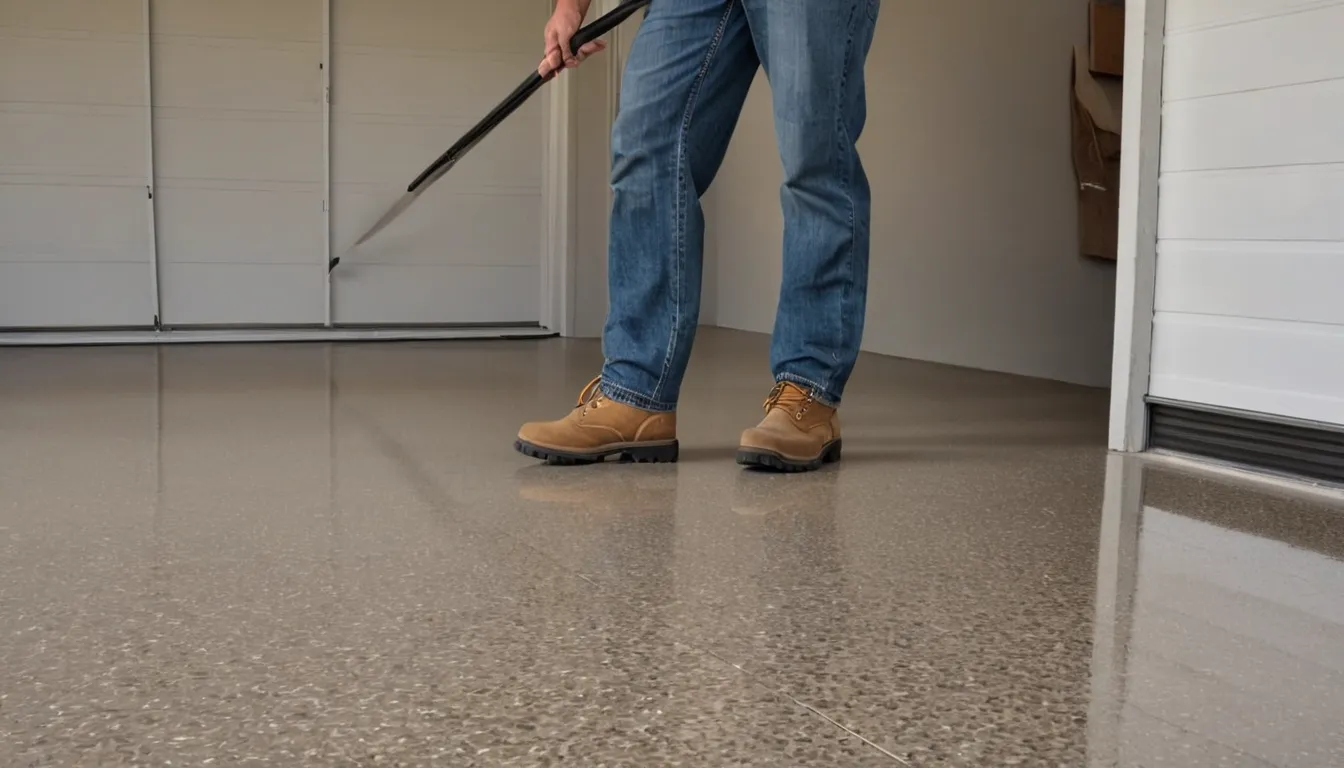
Polyaspartic Floor Coating for Garages and Slabs
Request an estimate today
Polyaspartic is a tough coating that cures faster than most epoxy. It resists sunlight, hot tires, and everyday scuffs. Providers use it as a clear top layer or as a full colored system over a prepared slab. In the Anaheim area, that speed helps when you want your garage back without a long wait.
Slawdhaka Floor Coating is a referral service. We do not coat floors. You send a request, we pass it to an independent provider in our network, and we explain each step. The provider inspects the slab, writes a quote, and does the work. Referral, not repair. Check your floor early and the job stays smaller.
Peeling, Hazy, or Sticky? Check the Floor First
Maybe a coating is already failing. Maybe you just want a new floor that is ready to use soon. Either way, start with the slab you have. Small flaws are easy to spot now and costly to ignore.
Polyaspartic is a fast-curing coating. Providers apply it as a clear top layer or as a full pigmented system over concrete. Here is how to size up your floor before anyone shows up.
Tape-test your slab
This check takes about ten minutes of setup.
- Sweep the floor and let it dry.
- Tape a two-foot square of clear plastic flat to the concrete. Seal every edge.
- Leave it a day. Fog or droplets underneath mean moisture is rising through the slab.
- Scrape a loose spot with a plastic putty knife. If the old coat lifts in sheets, the bond is weak.
- Rub your palm over bare concrete. Chalky dust means the surface is soft.
Early signs worth acting on
Hot-tire pickup, tiny bubbles, dull walking paths, and hairline cracks all start small. Check it early. A crack you can note today may need grinding and patching in a year.
Where you should stop
Skip grinding old coatings on your own. Dust from old paint or adhesive can be a health risk. Wide cracks, a sunken slab, or water pushing up through the floor all call for a provider's eyes.
How Polyaspartic Differs From Epoxy
Epoxy is thick and slow to cure. It makes a strong base. Polyaspartic is thinner and cures fast. It also holds up to sunlight, so it is less likely to yellow near an open garage door.
The tradeoff is working time. Polyaspartic sets quickly, so the crew has a short window to roll it out smooth. That is one reason it is a hire-out job, not a weekend project.
Full Polyaspartic or a Hybrid System?
A full system uses polyaspartic for the primer, color, and top coat. A hybrid puts epoxy underneath and polyaspartic on top. Some homeowners like the hybrid for the thicker base and the tougher, sun-stable finish.
Ask the provider which fits your slab. A dry, sound floor may suit either. A floor with repairs or past coatings may need more base work.
What the Job Looks Like
Prep comes first
The provider cleans the slab, removes old coatings, and grinds the surface so the new coat can grip. Cracks and chips get filled. Skipping this step is the top reason coatings peel.
Coats go on in layers
Next come the primer or base, color flakes if you want them, and the clear top coat. Because polyaspartic cures quickly, layers can follow each other sooner than with many epoxy jobs. Ask the provider for the cure and return-to-use times in writing.
Where It Works Well
Garage floors are the common use. It also suits porches, patios, workshops, basements, and laundry rooms. Covered outdoor slabs gain from the sun resistance. If you also plan hardwood flooring installation inside the house, ask the provider how timing and dust fit together.
Weather and Timing
Long dry seasons help because slabs stay dry. Winter rain events can push moisture into a garage, so run the tape test after a wet spell. Smoke seasons leave ash on everything, so sweep and wipe the slab before the provider arrives. Mild coastal air is friendly to coating, though damp mornings can still matter. A provider can often work in cooler temperatures than epoxy allows, but ask what range they use.
Choosing Colors and Flake Blends
Flakes hide dust, dirt, and small marks. Light grays and tans brighten a dim garage. Darker blends hide oil spots. Ask to see a sample board in your own garage light. Many providers offer custom floor finishes, such as mixed flakes or metallic looks, so describe what you want.
Caring for a Polyaspartic Floor
- Sweep or dust-mop weekly.
- Mop with a mild cleaner and clean water.
- Wipe up oil, salt, and chemical spills soon.
- Put mats under jack stands and bikes.
- Skip harsh solvents and steel scrapers.
Questions to Ask the Provider
- How will you test for moisture?
- Is this a full or hybrid system?
- How will you prep the slab, and how will you handle dust?
- What are the cure and return-to-use times?
- What does the written warranty cover, and who backs it?
- How are cracks and joints handled?
How Slawdhaka Floor Coating Fits In
We are a referral service. You submit a request, we route it to an independent provider, and that provider handles the quote and the work. Request a callback to check provider availability, or use the request form. Pricing and schedules come from the provider, not from us.
What's Included
Slab Check
The provider tests the concrete for moisture, cracks, and old coatings before choosing a system.
Surface Prep
Grinding, crack filling, and cleaning so the new coating bonds to the concrete.
Base and Color Coats
Primer, pigmented coat, and optional decorative flakes applied in thin, even layers.
Clear Topcoat
A sun-stable finish that resists scuffs, hot tires, and everyday garage wear.
Typical Polyaspartic Floor Coating Costs in the U.S.
Prices vary by slab condition, size, and the system you choose. These are typical U.S. ranges for a two-car garage, not quotes. Always ask for a written quote that lists prep, materials, and coats.
| Item | Typical range | Notes |
|---|---|---|
| Two-car garage, full polyaspartic | $3,000 – $7,000 | Varies with size and prep needs |
| Hybrid epoxy base with polyaspartic top | $2,500 – $6,000 | Thicker base, tough finish |
| Concrete grinding and prep | $500 – $1,500 | Heavier if old coatings must come off |
| Crack and joint repair | $200 – $800 | Depends on crack length and width |
| Decorative flake blend upgrade | $300 – $1,200 | Coverage and flake type matter |
| Single-bay garage | $1,500 – $3,500 | Smaller area, similar prep steps |
How It Works
Submit your request
Tell us about your floor, its size, and any peeling, cracks, or stains you noticed.
We pass it along
Your request goes to an independent provider in our network who serves your area.
Provider inspects and quotes
The provider checks the slab and gives you a written quote.
You decide and schedule
If the quote fits, you set the work dates directly with the provider.
Why Call Slawdhaka Floor Coating
Honest referral model
We say plainly that we refer you to independent providers, and they do all the work.
Early warnings
We help you spot small floor problems so repairs stay smaller.
Clear steps
You learn what happens after you submit a request, before anyone contacts you.
No pressure
Requesting an estimate carries no obligation to hire any provider.
Other Services
Need polyaspartic floor coating services in Anaheim?
Send a few details about your garage or concrete floor and request an estimate. A local provider in our network follows up with next steps.
No obligationPolyaspartic Floor Coating Services FAQ
Is polyaspartic better than epoxy for a garage floor?
It depends on your needs. Polyaspartic cures faster and resists sunlight better, so it suits garages with open doors. Epoxy makes a strong, thick base. Many providers combine both in a hybrid system. Ask which fits your slab.
How long does a polyaspartic floor take to cure?
It cures faster than most epoxy, but times vary by product, temperature, and humidity. Ask the provider for both the recoat time and the time before you can drive on it.
Can I apply polyaspartic coating myself?
It sets quickly, so there is little time to fix mistakes. Homeowners can clean the slab and run the tape test. Most leave the prep and coating to a provider.
Get in touch
Send a few details about your garage or concrete floor and request an estimate. A local provider in our network follows up with next steps.
No obligation