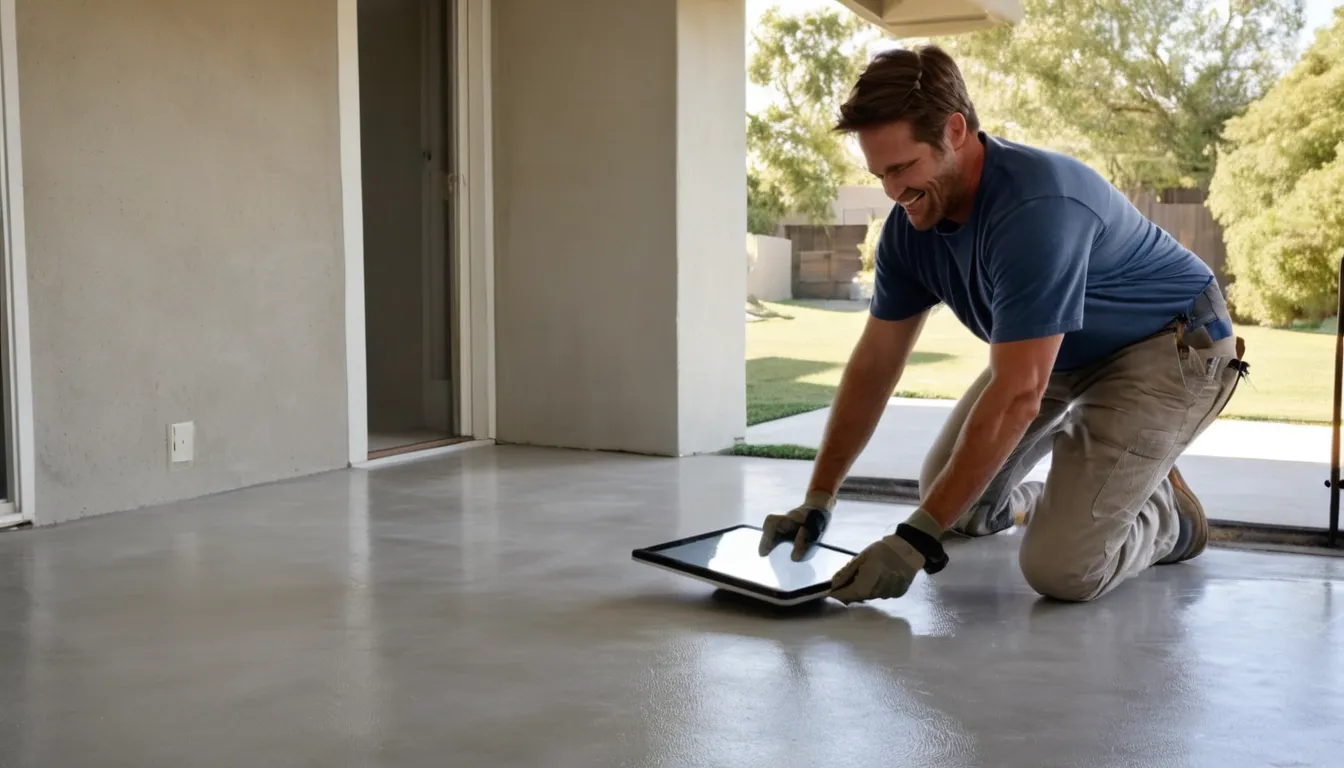
Concrete Floor Coating for Worn or Dusty Slabs
Request an Estimate
Bare concrete looks tough, but it is full of tiny pores. Water, oil and dust get in, and the surface slowly breaks down. A concrete coating seals those pores and gives you a smooth layer you can sweep and mop. It also helps hide small flaws, stains and uneven color.
Slawdhaka Floor Coating is a referral service, not a floor crew. You send a request, and we pass it to an independent provider in our network who serves the Anaheim area. The provider inspects the slab, explains the options and gives you a written quote. Referral, not repair. You decide what happens next, with no obligation.
Concrete Showing Wear? Start Here
Is your slab dusty, flaking or stained? Does water soak in instead of beading up? Those are the usual reasons people look into concrete coating. A coating seals the surface and adds a tougher skin that cleans up easily.
Slawdhaka Floor Coating does not coat floors. We pass your request to an independent provider in our network, and that provider does the work.
Tape-Test Your Slab
This check takes five minutes to set up. Tape a two-foot square of clear plastic sheeting to the bare floor. Seal all four edges. Leave it for a full day or two, then peel it back. Fog, drops or a dark damp patch means moisture is rising through the concrete. Write down where it happened and tell the provider.
Early Signs Worth Writing Down
Walk the floor with a flashlight held low. Look for these:
- Fine dust on your broom after every sweep
- Hairline cracks thin enough to catch a fingernail
- Dark spots that return after mopping
- White, chalky powder on the surface
- Curling edges of old paint or an old coating
Sweep, Scrape and Snap Photos
Grab a stiff broom and a putty knife. Sweep the slab, then scrape any loose flakes. Take clear photos in daylight, plus one with a tape measure beside the worst crack. Skip harsh acids and skip grinding at home. Concrete dust is hard on your lungs, and a poor prep job can ruin a good coating.
When to Stop and Hand It Off
Some things are not a weekend job. Cracks you can slide a coin into, one side of a crack sitting higher than the other, standing water or a musty smell all need a provider's eyes. The sooner someone looks, the smaller the repair tends to stay.
How the Referral Works
You fill out the request form with your photos and notes. We pass it to a provider in our network. The provider reaches out, looks at the slab and gives you a written quote. Call hours vary by provider. Request a callback to check provider availability if you would rather talk first.
What a Concrete Coating Is
A coating is a layer rolled or sprayed onto prepared concrete. Providers use several types, from thin clear sealers to thicker colored systems. The right pick depends on how the space is used, how much moisture it sees and how much wear you expect.
Coating vs. Sealing
A sealer soaks in or leaves a thin film. It works for light-duty floors and keeps dust down. A coating builds a thicker layer. It can hide small flaws, add color and stand up to rolling loads. Ask the provider which one fits your floor, and why.
Basement Floor Coatings
Moisture is the big question below grade. After a wet winter, a basement slab can hold water that stays hidden in the dry months. Do your tape test in more than one season if you can. A provider may run a moisture check and choose a primer that handles damp concrete.
Patio and Porch Coatings
Outdoor slabs deal with sun, rain and shoes. Ask for a slip-resistant texture and a coating that holds its color in strong light. During smoke seasons, ash and soot settle on porches. Sweep it up dry first, then rinse, so it does not grind into the surface.
Workshop and Shop Floors
Dropped wrenches, rolling tool chests and oil drips are hard on a floor. Mark where heavy benches and machines sit before the visit. Tell the provider about solvents and fuels you use. A thicker system with some grit underfoot often suits a busy shop.
Laundry Rooms, Porches and Other Spaces
A laundry room slab faces leaks and detergent spills. A coating gives it a wipe-clean surface. Hardwood flooring installation over a slab is a different job with its own moisture rules, so mention it in your request and it can be routed correctly.
How the Work Is Done
Most jobs follow the same path:
- The provider grinds or cleans the surface so the coating can grip
- Cracks and chips are filled and smoothed
- A primer goes down
- One or more coats are rolled or sprayed
- A topcoat adds shine or traction, then the floor cures
Custom Floor Finishes
Color is part of the choice. Providers can offer solid colors, scattered flakes, speckled blends and metallic looks. Pick between satin and gloss. Gloss shows scratches more but looks sharp. Ask to see a sample board in your own light before you commit to custom floor finishes.
Living With Your Coated Floor
Keep foot and vehicle traffic off until the provider says the floor has cured. After that, sweep often and damp mop with a mild cleaner. Wipe spills when you see them. Put felt pads under heavy furniture. Check it early each season for new chips.
Questions to Ask the Provider
- How will you prep my slab, and what moisture test do you use?
- Which coating type do you suggest for my space, and why?
- What does the written quote include and leave out?
- How long before I can walk on it, and park or load it?
- What care does the warranty ask of me, and who backs it?
Ready to Request an Estimate?
Send your photos and notes. A provider in our network can take it from there, with no obligation.
What's Included
Surface Prep and Repair
Providers clean, grind and fill cracks so the coating grips the concrete and lasts longer.
Moisture Checks
Many providers test the slab for rising moisture before choosing a primer and coating system.
Coating Application
Primer, color coats and a topcoat are rolled or sprayed on in the order the provider plans.
Custom Finish Options
Choose solid colors, flakes or metallic looks, plus satin or gloss and a slip-resistant texture.
Typical Concrete Coating Price Ranges
Prices vary by slab size, condition and coating type. These are typical U.S. ranges only. Cracks, moisture and heavy prep can move the total, so always get a written quote from the provider.
| Item | Typical range | Notes |
|---|---|---|
| Concrete sealer, per sq ft | $1 – $4 | Thin protection for light-duty floors |
| Coating system, per sq ft | $3 – $12 | Depends on thickness, type and finish |
| Crack and chip repair | $150 – $800 | Rises with the number and size of cracks |
| Moisture testing or mitigation | $100 – $1,500 | Basement slabs may need extra primer |
| Decorative flakes or metallic | $2 – $6 extra per sq ft | Adds color depth and texture |
| Removing an old coating | $1 – $4 per sq ft | Needed if the old layer is peeling |
How It Works
Send Your Request
Tell us about your slab, add a few photos, and note any cracks, stains or damp spots you found.
We Route It
Slawdhaka Floor Coating passes your details to an independent provider in our network who serves your area.
Provider Inspects and Quotes
The provider checks the slab, explains coating options and gives you a written quote.
You Decide
Compare the quote, ask questions, and choose whether to book. There is no obligation.
Why Call Slawdhaka Floor Coating
Honest About Our Role
We are a referral service. We pass your request on, and an independent provider does the work.
Early Warnings
We explain small signs to watch, so minor wear stays minor and quotes stay reasonable.
Plain Next Steps
You know who will contact you, what happens at the visit and what the quote should show.
No Obligation
Requesting an estimate does not lock you in. Compare, ask questions and decide on your schedule.
Other Services
Need concrete floor coating in Anaheim?
Send a few details about your garage or concrete floor and request an estimate. A local provider in our network follows up with next steps.
No obligationConcrete Floor Coating FAQ
Is a concrete floor coating worth it for an old slab?
Often yes, if the slab is sound. A coating seals pores, cuts dust and makes cleaning easier. A provider will check for deep cracks and moisture first, since those affect how long it lasts.
Can I coat a basement floor that gets damp?
Sometimes. Run the tape test, then ask the provider to check moisture. Some primers handle damp concrete, but heavy moisture may need to be addressed first.
What is the difference between sealing and coating concrete?
A sealer soaks in or leaves a thin film and suits light use. A coating builds a thicker layer that can add color, hide flaws and handle heavier wear. Ask the provider which fits.
Get in touch
Send a few details about your garage or concrete floor and request an estimate. A local provider in our network follows up with next steps.
No obligation